AI tools are becoming an invisible infrastructure beneath modern work, quietly shaping how information flows, how decisions are made, and how ideas move from concept to execution. What once felt experimental now functions as a structural layer supporting professionals across every industry.
These systems go far beyond simple automation. Modern AI tools interpret context, reorganize fragmented information, generate structured outputs, and assist with complex reasoning. Recent research from MIT and Stanford shows that access to generative systems can significantly improve the speed and quality of tasks involving synthesis and analysis, especially for less experienced workers.
Table of Contents
AI tools as an invisible layer of work
One of the most striking aspects of AI tools in professional environments is how seamlessly they embed themselves into everyday workflows. They sit inside document editors, email clients, browsers, project platforms, and research environments. Instead of forcing a new way of working, they adapt to software people already rely on.
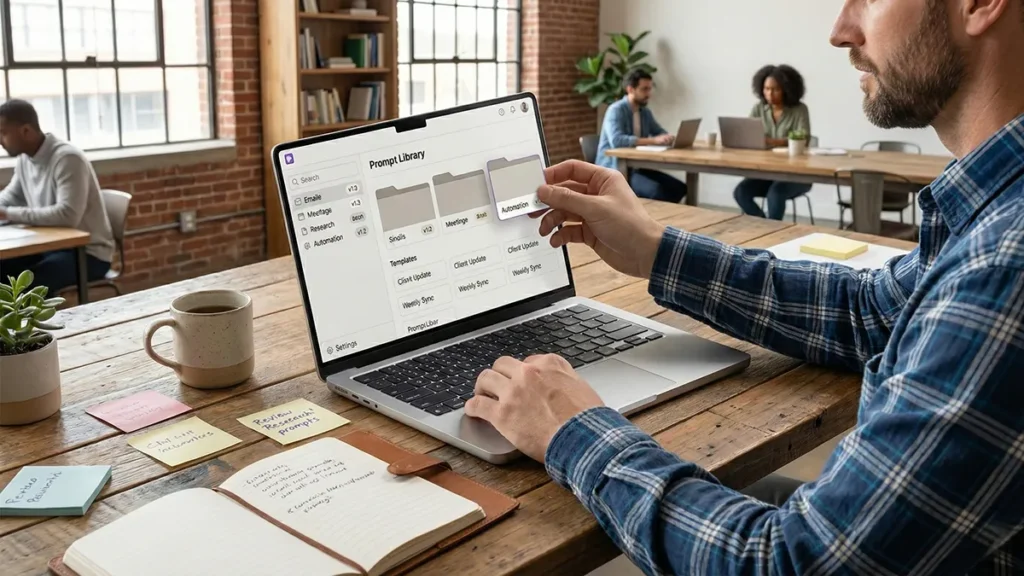
This translates into less friction during cognitively demanding tasks. Intelligent assistants summarize long documents, clean up rough drafts, generate variations of ideas, and transform vague instructions into structured plans. For teams operating under pressure or dealing with information overload, this kind of support has become central to discussions of AI-enhanced productivity and sustainable knowledge work.
How intelligent systems shape modern workflows
The most transformative AI systems are not simply fast—they are context-aware. Instead of reacting only to keywords, they interpret intent, tone, and structure. They can turn meeting notes into actionable outlines, compare multiple versions of a proposal, or break down ambiguous objectives into clear next steps.
Across industries, professionals use these systems as companions for planning, drafting, analysis, and decision support. A manager might rely on an assistant to highlight risks in a roadmap, while a researcher uses similar technology to synthesize findings from multiple sources. Many of these shifts are reflected in the trends documented by the annual AI Index report, which tracks how intelligent systems are being woven into organizational workflows worldwide.
Creativity and analysis with AI
As multimodal models mature, AI-driven systems increasingly operate at the intersection of creativity and analysis. They interpret images, propose visual directions, analyze tone, compare narrative structures, and suggest alternative framings. Creators use these tools to prototype concepts quickly, explore stylistic variations, or clarify ideas through structured feedback.
This new creative landscape is reshaping debates around authorship and originality. A recent study in Nature Human Behaviour found that human–machine collaboration can lead to more diverse and unexpected ideas, especially in early stages of ideation. These findings resonate with broader conversations about machine-assisted creativity and evolving artistic practices.
Risks, limits, and responsible use
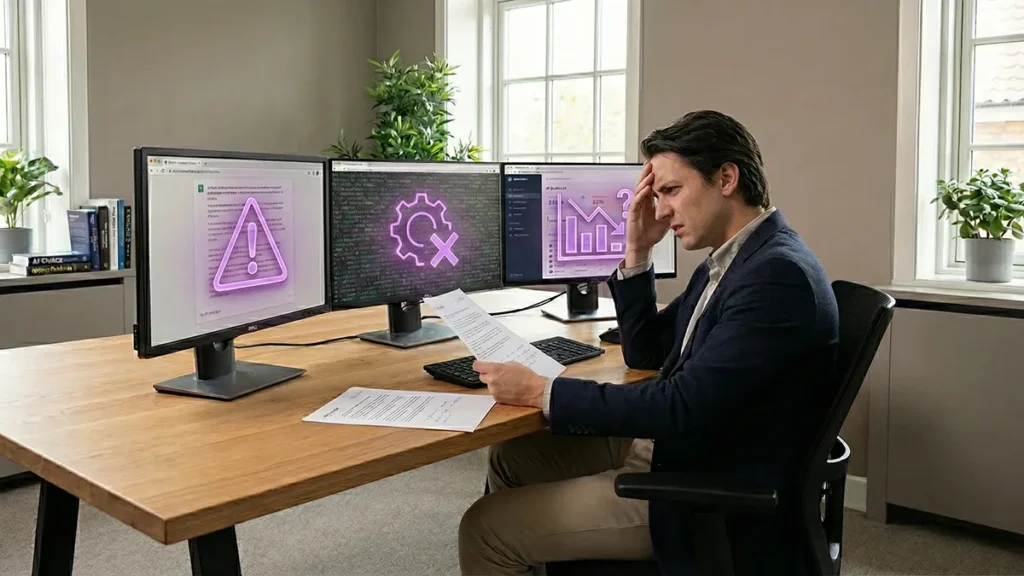
Despite their advantages, AI-based systems carry real constraints. They can misinterpret edge cases, reflect biases in training data, or generate confident but incorrect reasoning. Organizations focused on responsible AI policy, such as the OECD AI Observatory, and research centres like Stanford HAI, stress the importance of human oversight, transparency, and rigorous review processes when these systems are deployed at scale.
For professionals, responsible use means understanding both the strengths and the limitations of AI tools. Verification, cross-checking with independent sources, and establishing clear decision boundaries remain essential. As discussions about AI literacy gain momentum, knowing how to work effectively with these systems is becoming a core professional skill.
The future of work with AI assistance
AI tools are no longer optional accessories. They form a foundational layer of the digital workplace, influencing not only automation but also role definitions, collaboration models, and organizational strategy. The most successful professionals and companies will be those who learn to treat these systems as partners—augmenting insight, reducing friction, and creating space for deeper, more strategic work.
Learning to work alongside AI tools connects technical fluency, critical reasoning, and cultural awareness. As these systems continue to evolve, they will shape not just how work is executed, but how intelligence—human and artificial—is expressed in everyday decision-making.